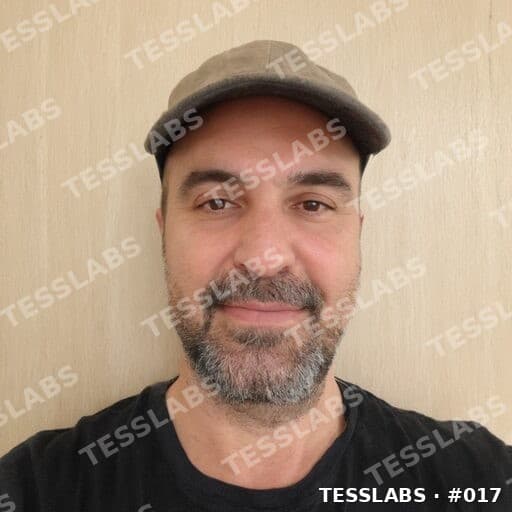
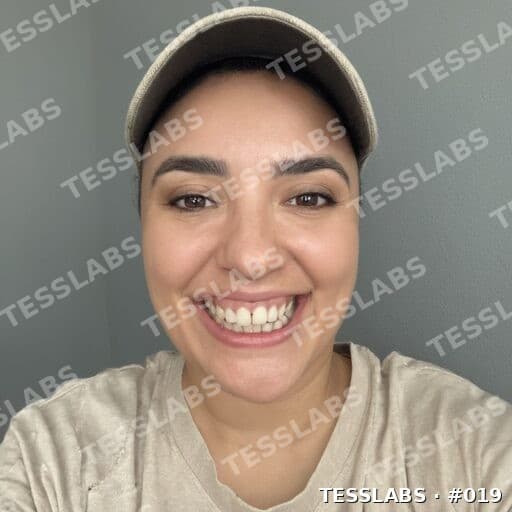
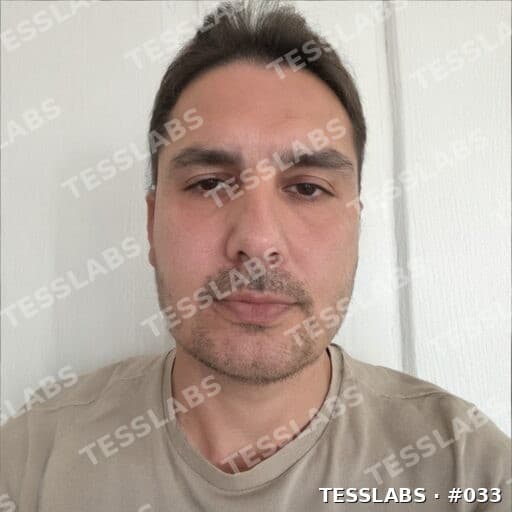
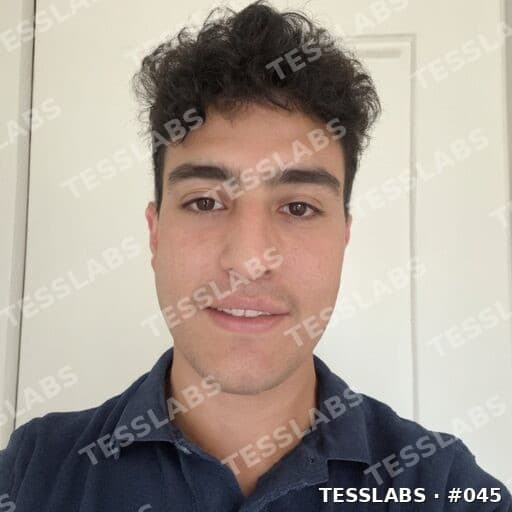
Synthetic biometric data and biometric models

The Full-Stack Biometric Lab:
Generation and Detection

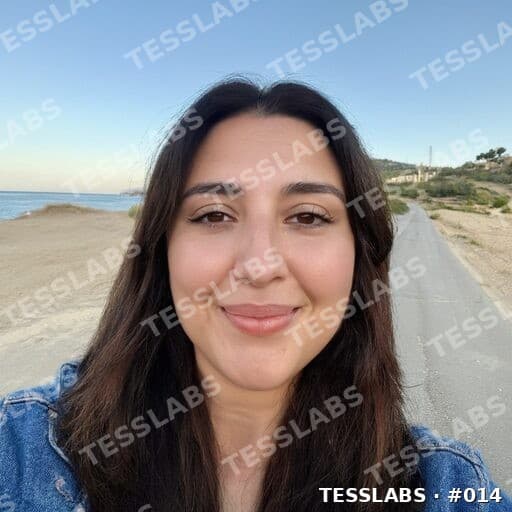
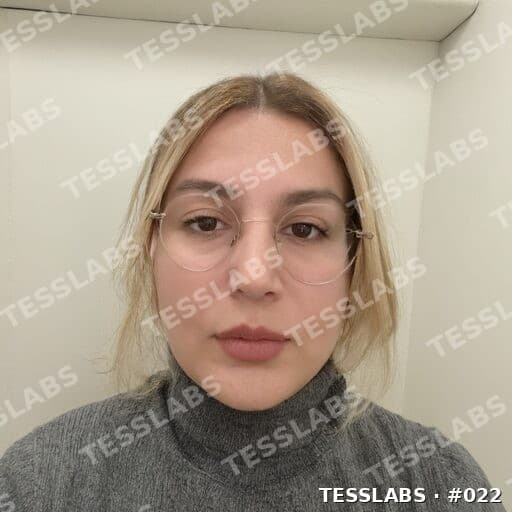
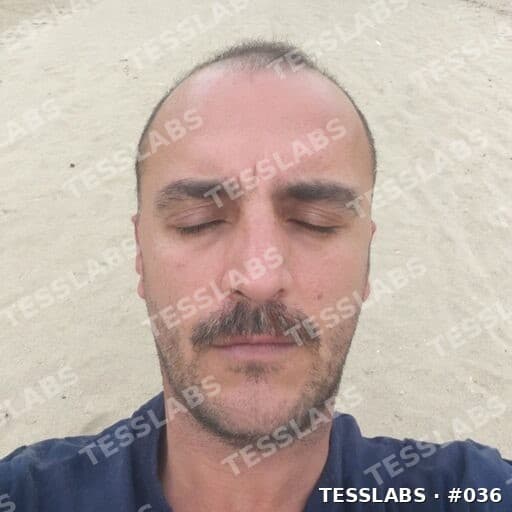
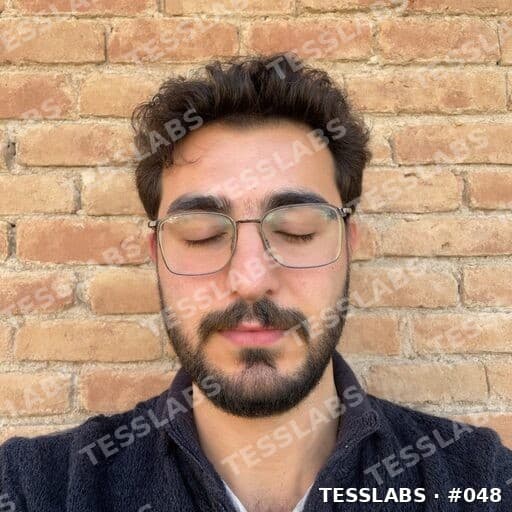
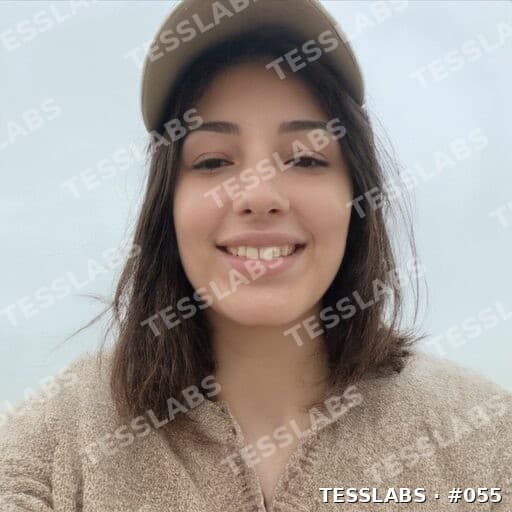
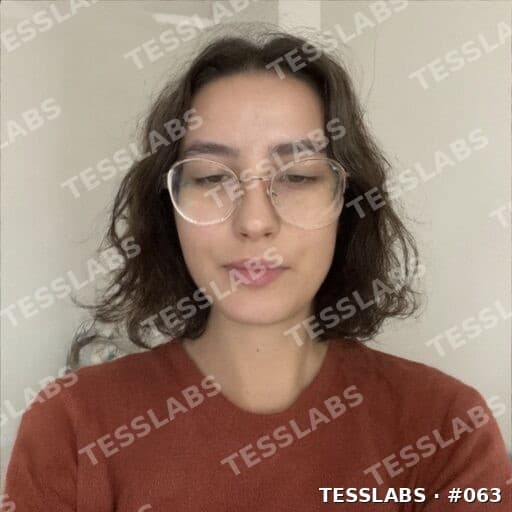
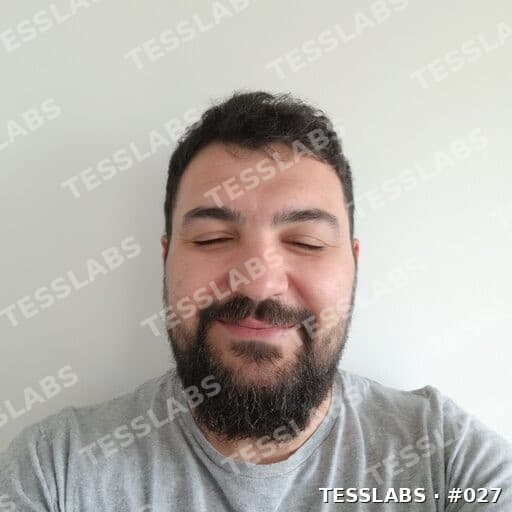
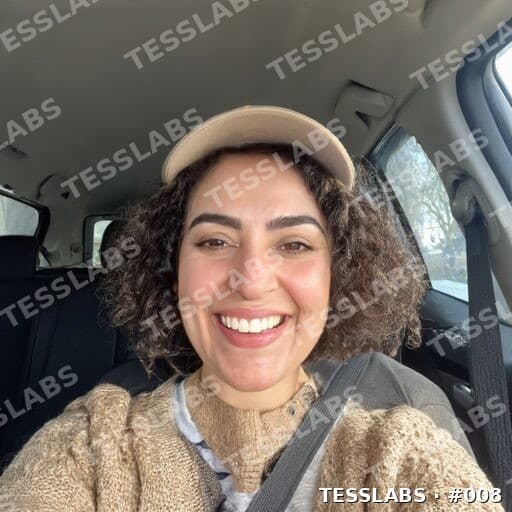
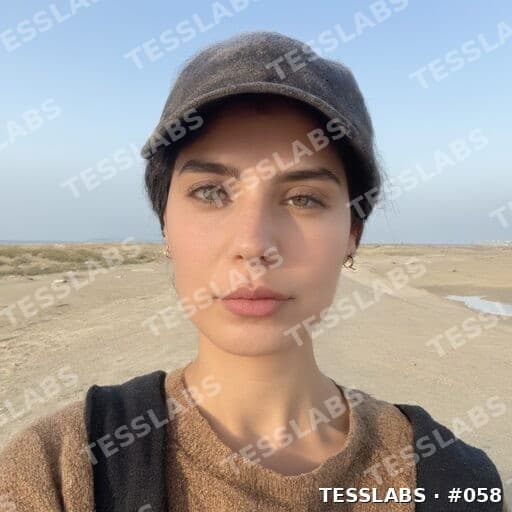
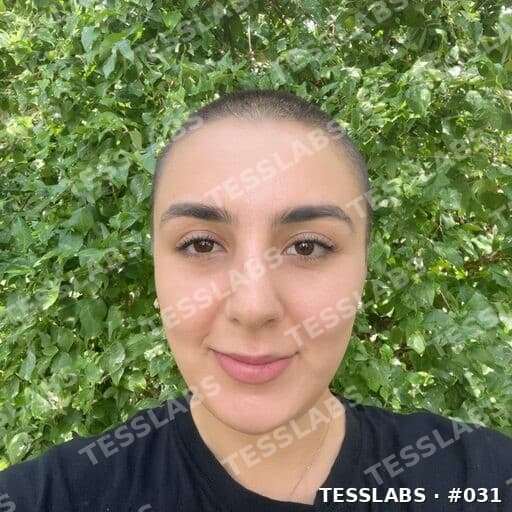
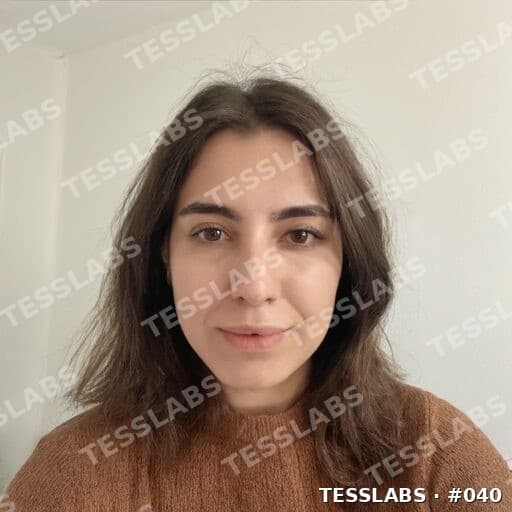
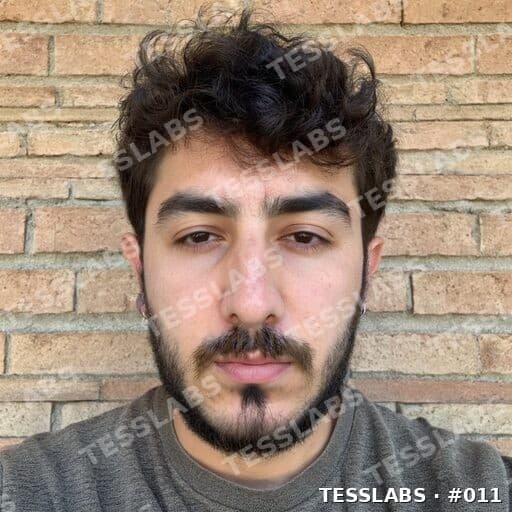
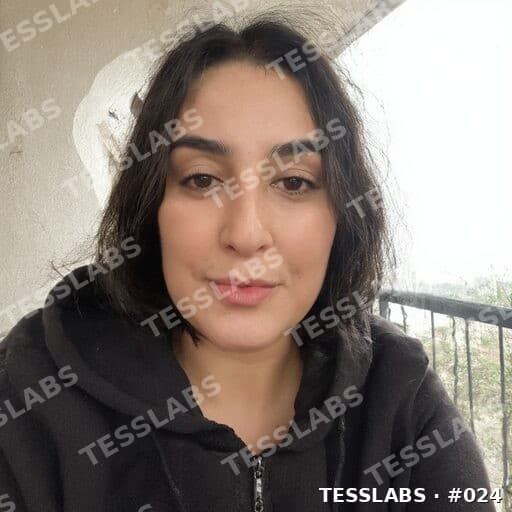
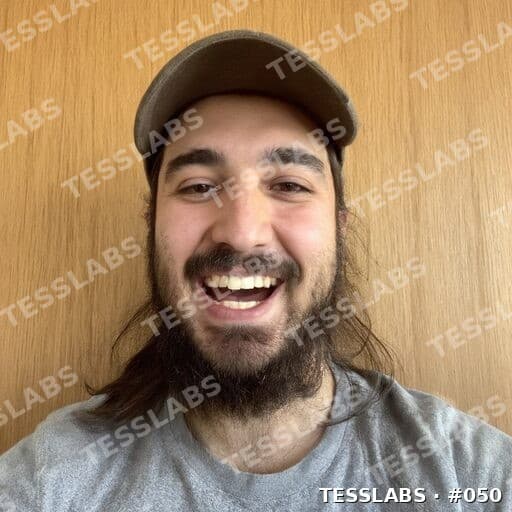
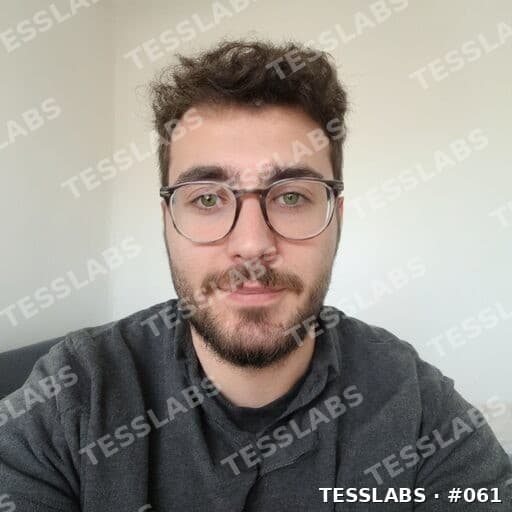
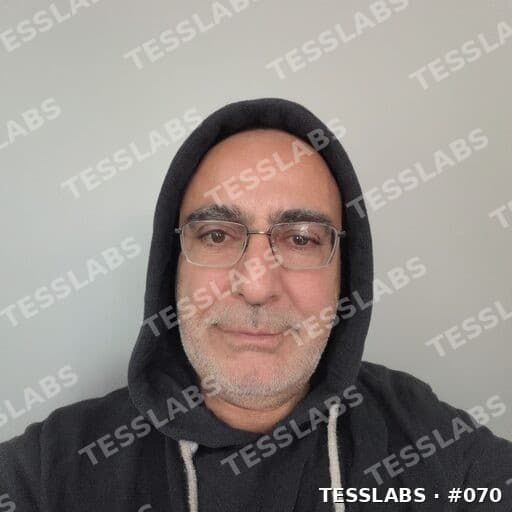
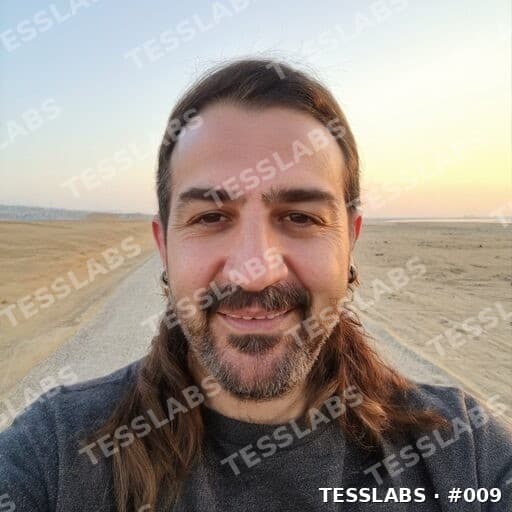
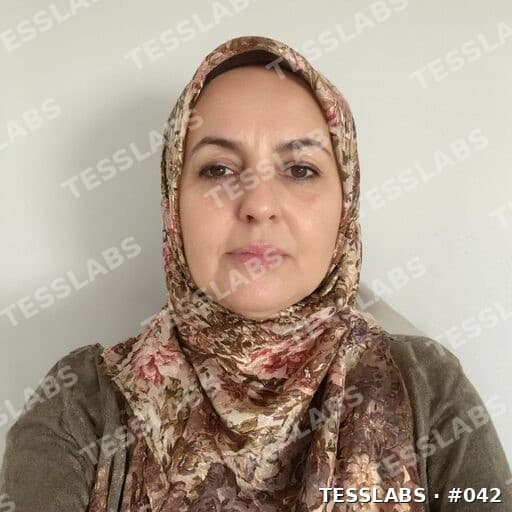
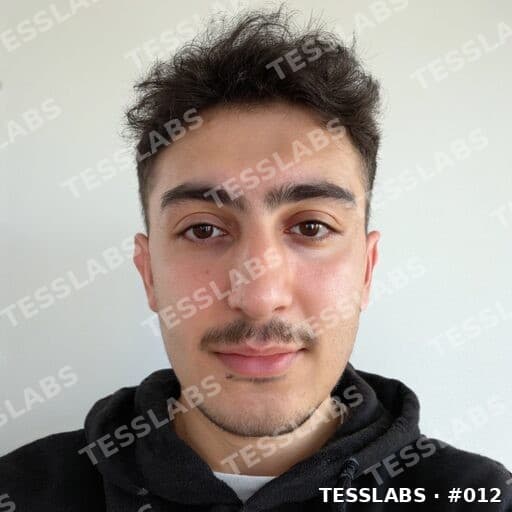
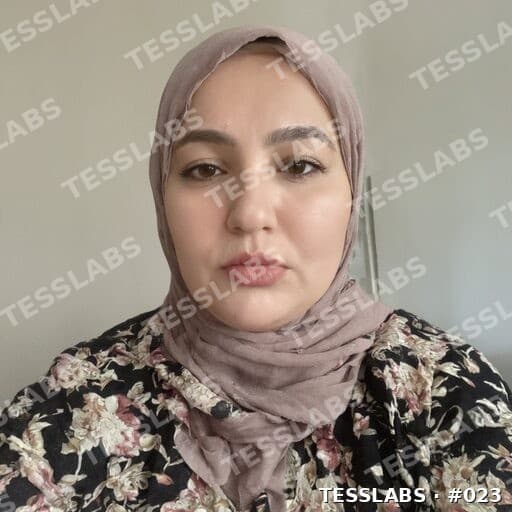
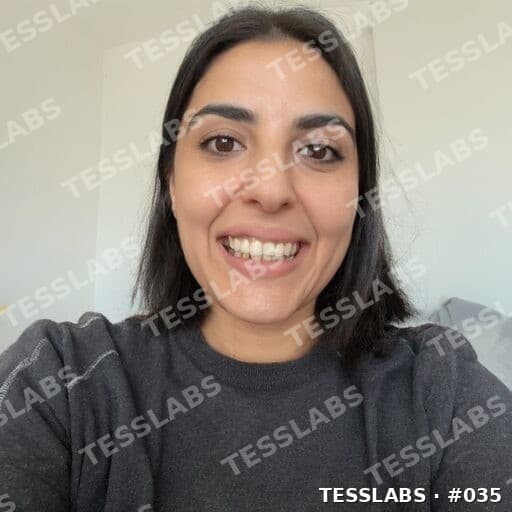
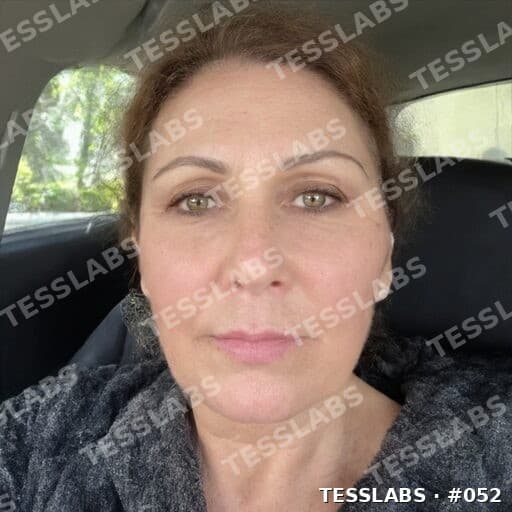
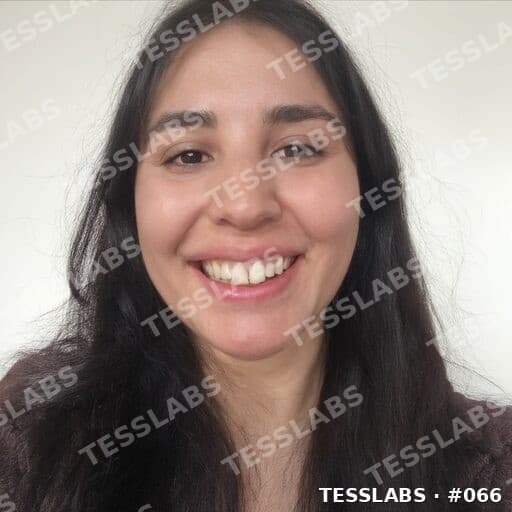
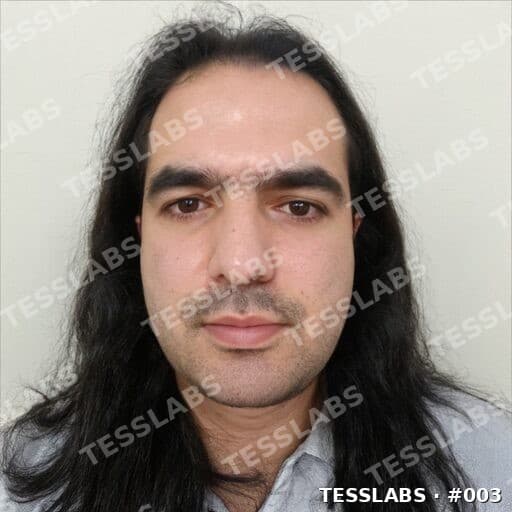
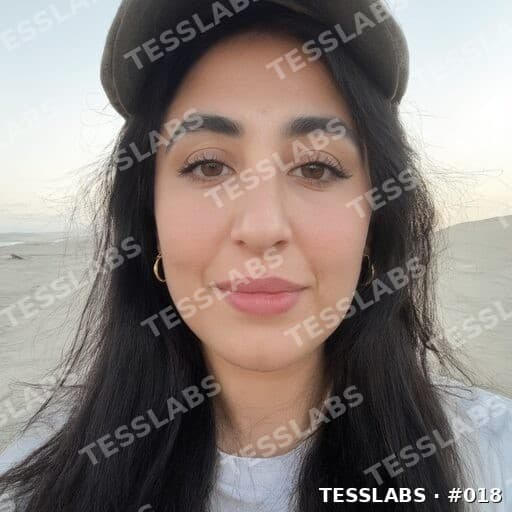
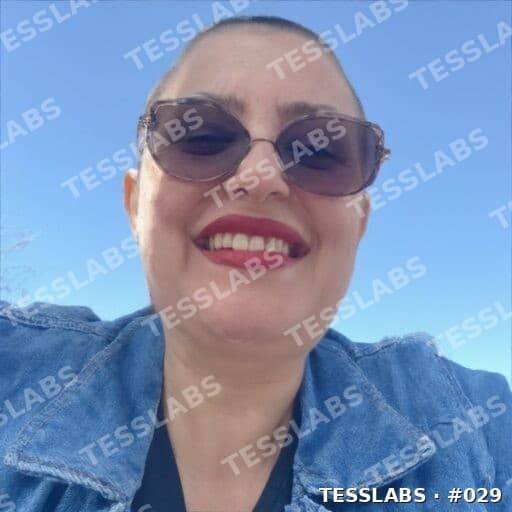
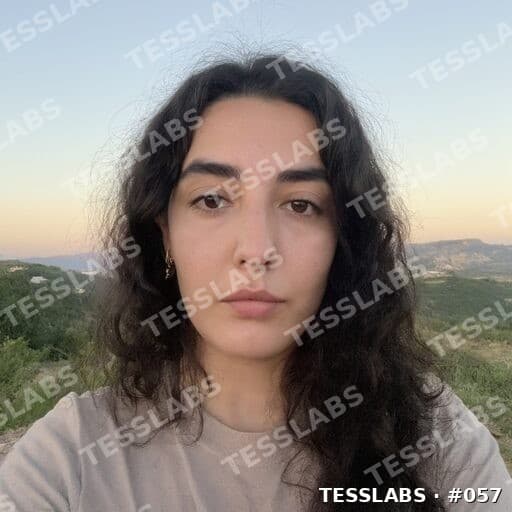
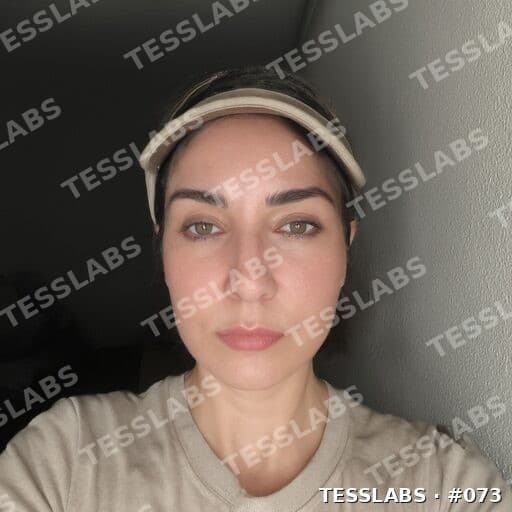
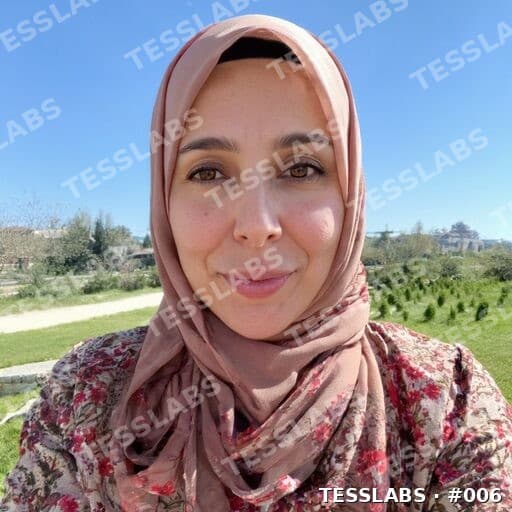
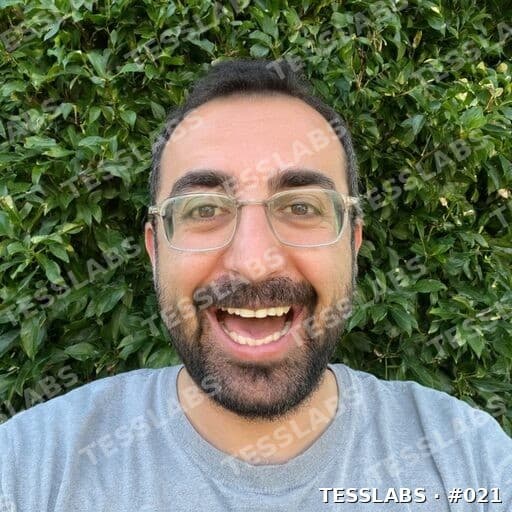
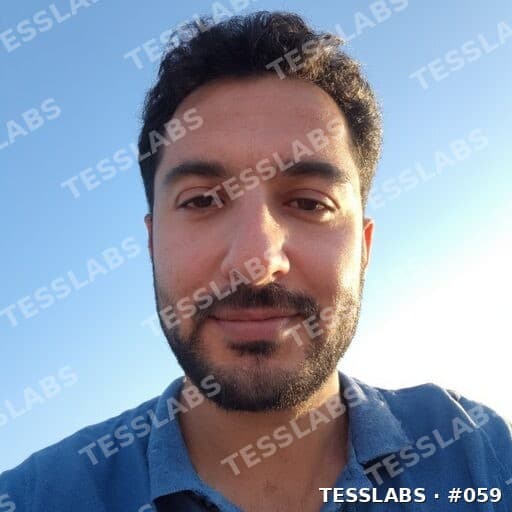
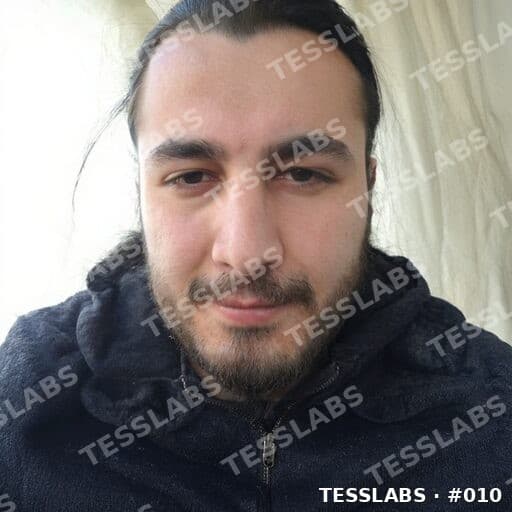
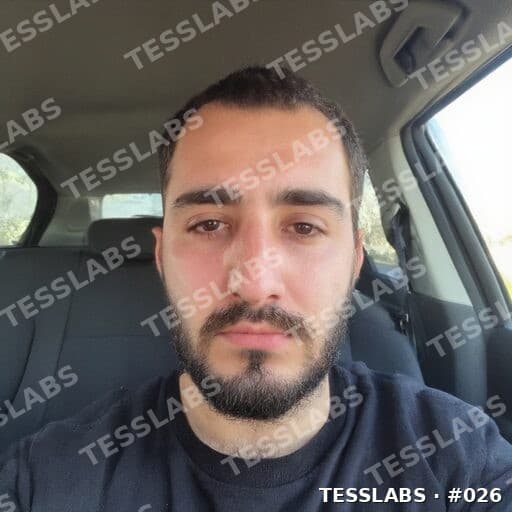
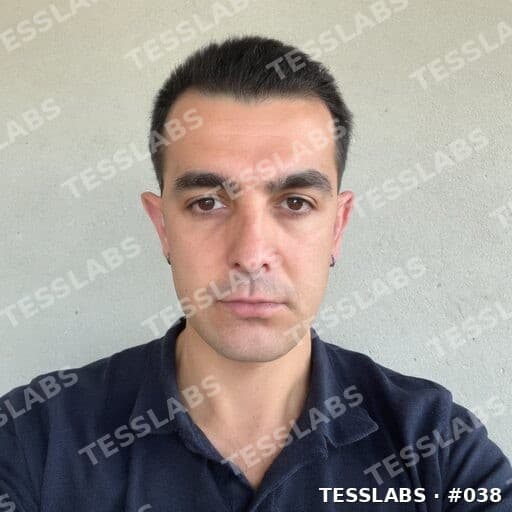
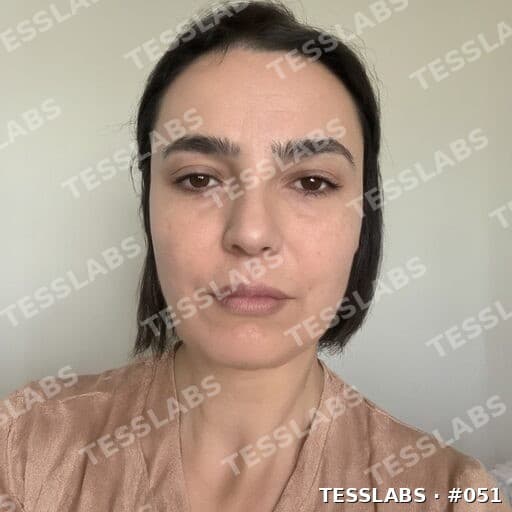
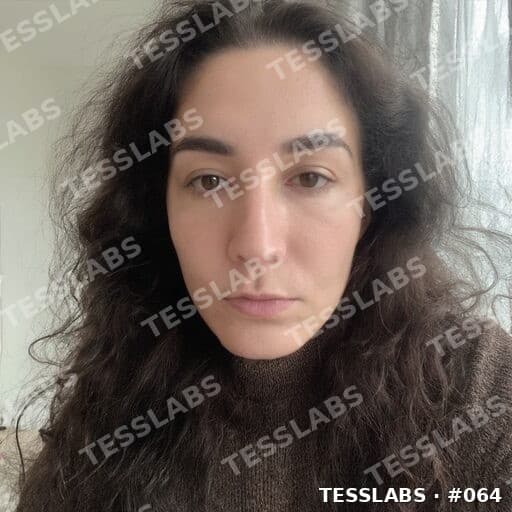
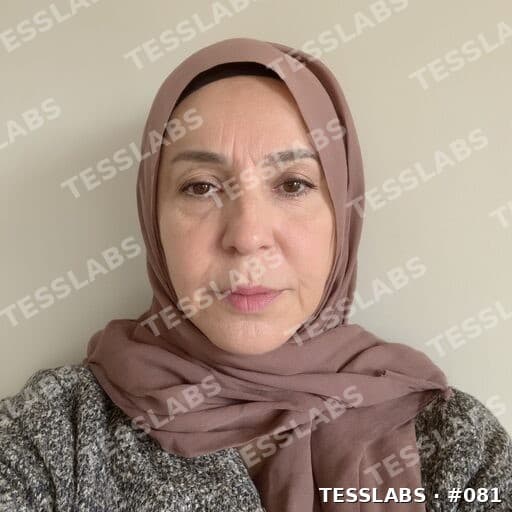
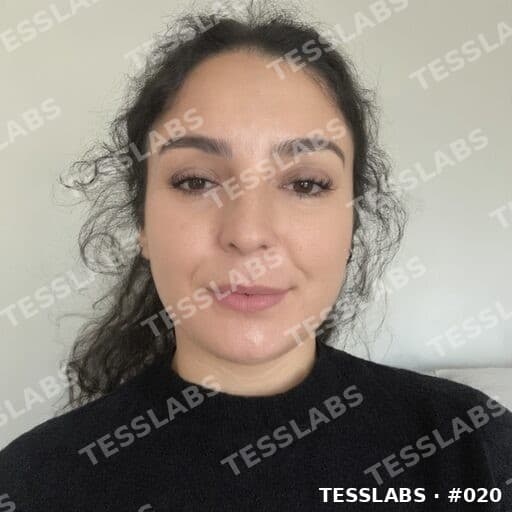
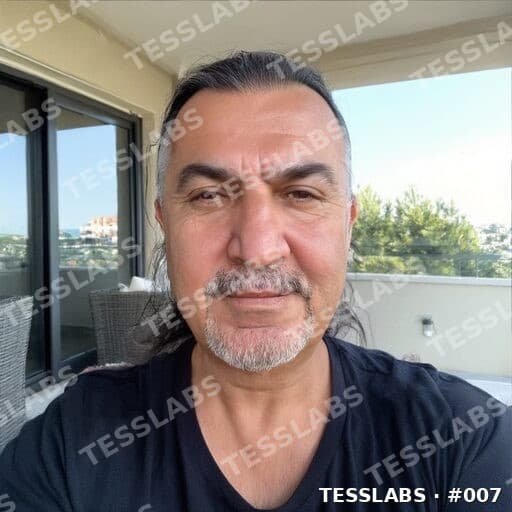
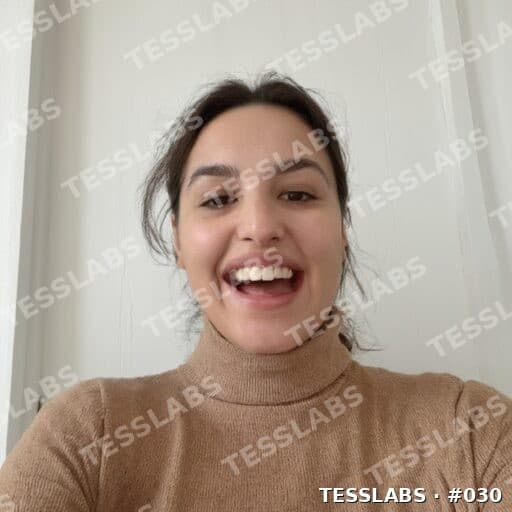
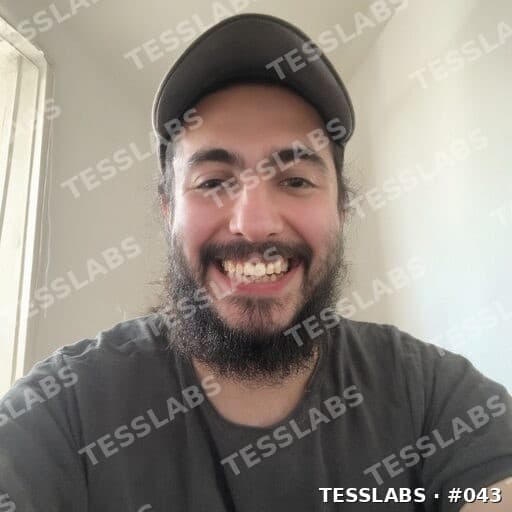
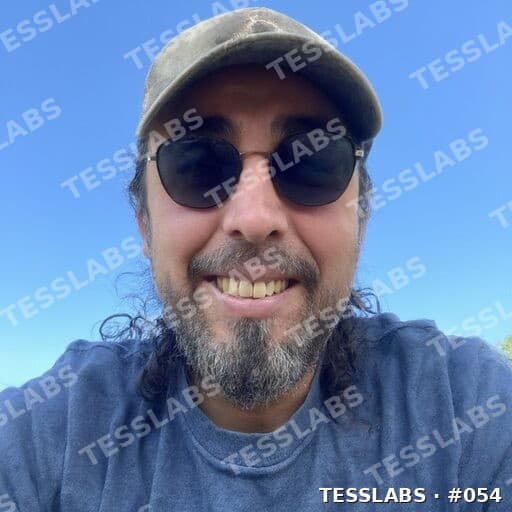
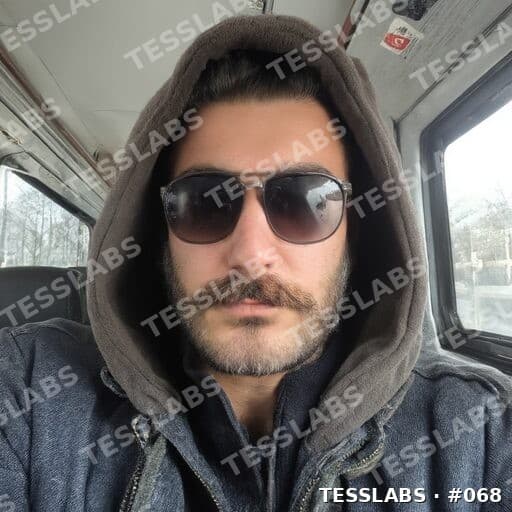
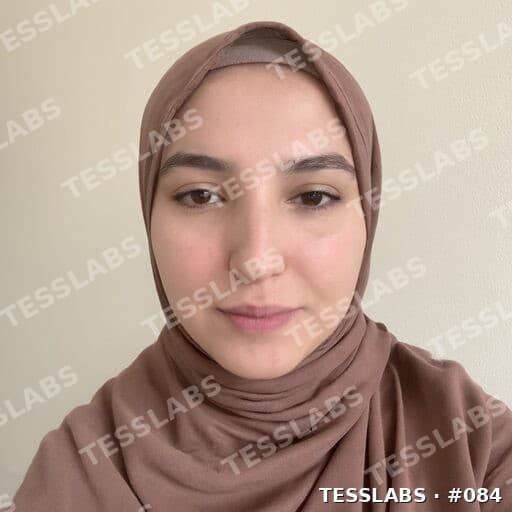
Synthetic humans are indistinguishable from real. TessLabs builds the synthetic biometric data that defeats frontier AI models, and the biometric detection stack that catches what is missed. Data and models built on eight years of live fraud detection experience. We provide the biometric stack for hyper-scalers, frontier AI models, sovereign identity programs, and defence.

1.1M

synthetic identities, each from a fixed, repeatable seed

23

independently controlled attributes per identity

1013

latent state space, infinite variations on demand

3.74

clean-FID realism score,
as good as real

Origin

Built to train our identity fraud detection models.

Training a production biometric model on real customer faces — at the scale and adversarial diversity that production models need — creates consent, privacy, and regulatory exposure most teams can't clear. TessLabs was built to solve that problem. TessLabs' synthetic-face generator was developed to train a live identity-verification business. The purpose: to provide our identity fraud models with safe and realistic biometric data to train against.

The data and models have been hardened against real fraud over eight years and c.25 million real identity checks. The synthetic faces TessLabs now builds are so good that frontier models cannot distinguish them from real. That's why we decided to make our data and models available to help train and close those gaps.

Read the full story on About

What we offer

Clean training data and production grade models.

Synthetic training data

Synthetic identities from a fixed, repeatable seed, for training and stress-testing your own vision models. Scoped to your population, your failure modes, and the specific edge cases your model is missing. No fixed dataset. Every run is quoted against what you're actually trying to fix.

See how a run is scoped

Licensed biometric models

Four production models: verification, identification, liveness, deepfake detection, age, and gender. Built and hardened over eight years of live fraud. Licensed to run on your own infrastructure. No capture ever leaves your environment.

See the full model spec sheet

Who this is for

Anyone who needs to know real humans from a fake ones.

Frontier AI labs

Verify who's signing up, and catch the synthetic identities your liveness checks let through.

Hyperscalers

Generate synthetic identity data and harden your models against it, at the volume your compute already serves.

Governments

Ship a checksummed manifest with every delivery, so auditors verify the data instead of a description of it.

Payments

Score attack presentations at generation time, so your liveness model tunes to the exact mix your network sees.

Robotics

Specify pose, occlusion, lighting, and age as dials, so hard captures are covered by design, not by chance.

Banks

Train your detector against identities that pass six flagship frontier models 94 to 100% of the time.

Sovereign Programs

Calibrate thresholds to the population your programme serves, and rehearse deduplication before a citizen enrolls.

Defence & National Security

Red-team your systems against synthetics with no real face at risk, and keep the pool exclusive to you.

See all eight, by industry

The data lab

1.1 million “unique” mathematically locked seed identities.

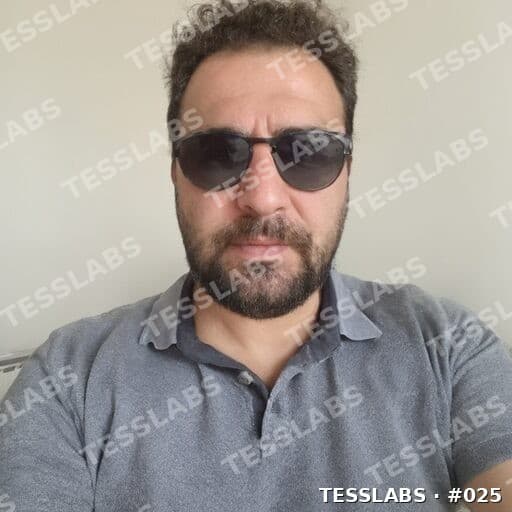
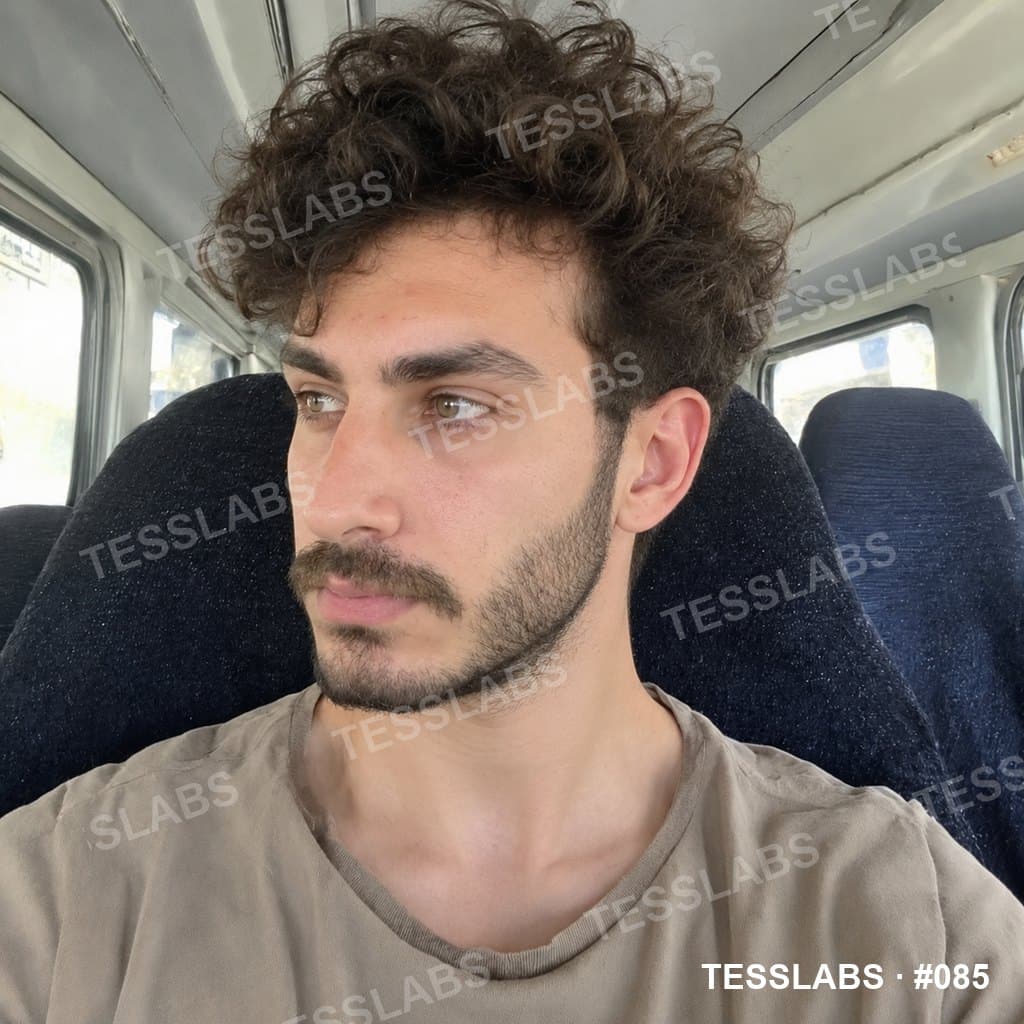
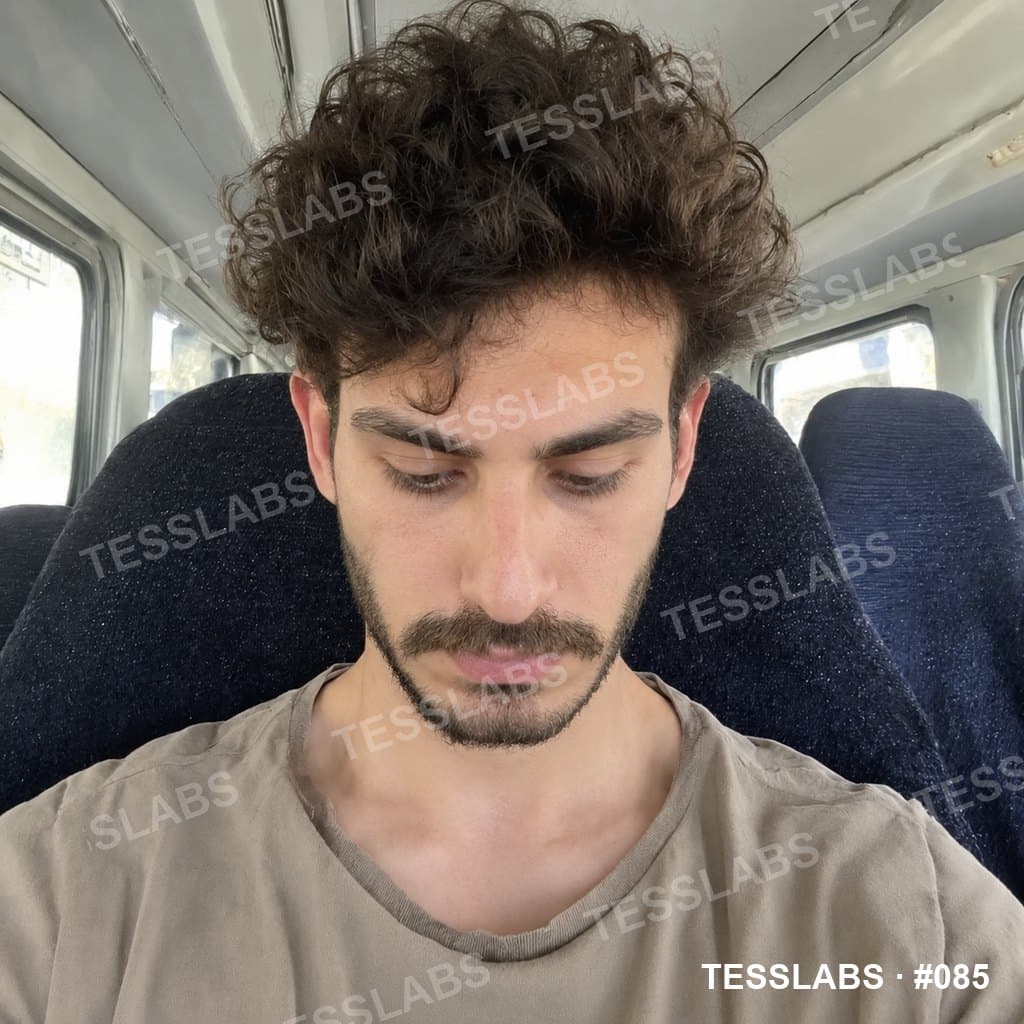
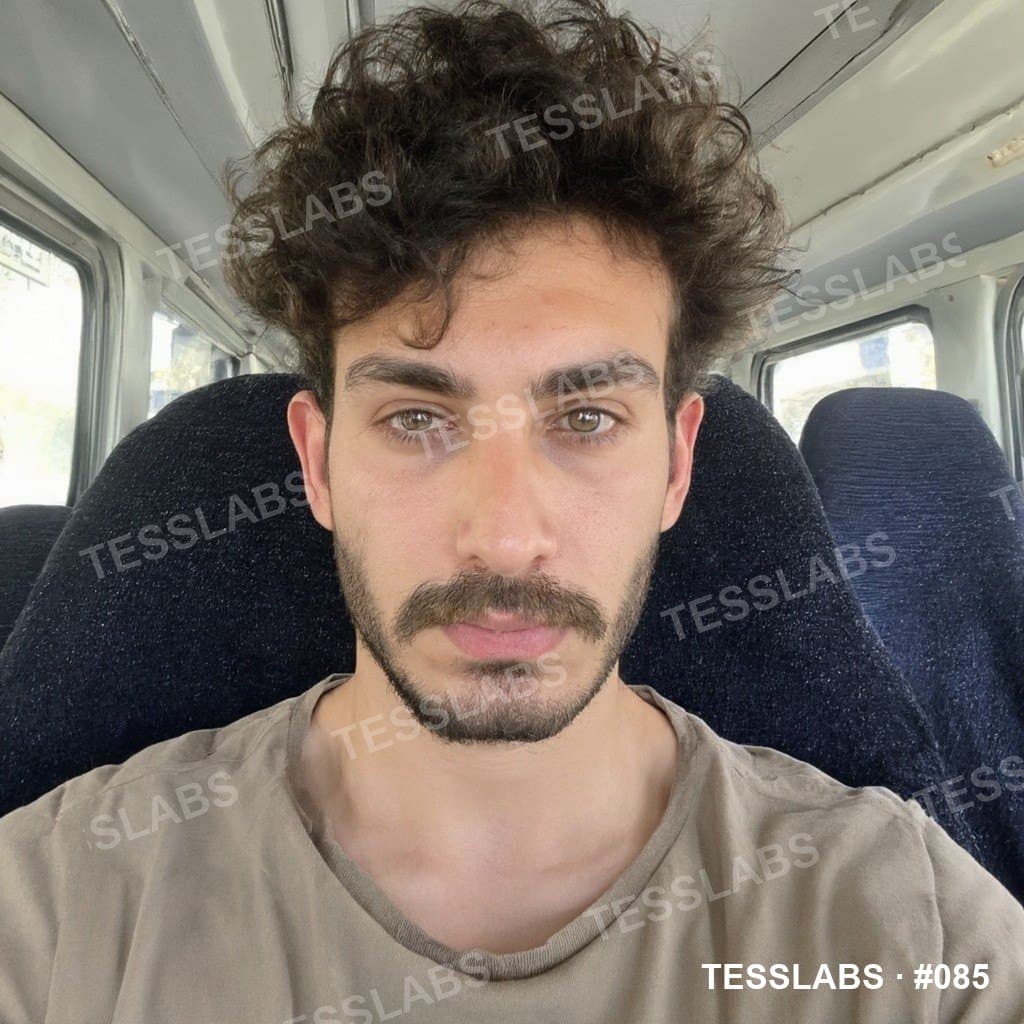
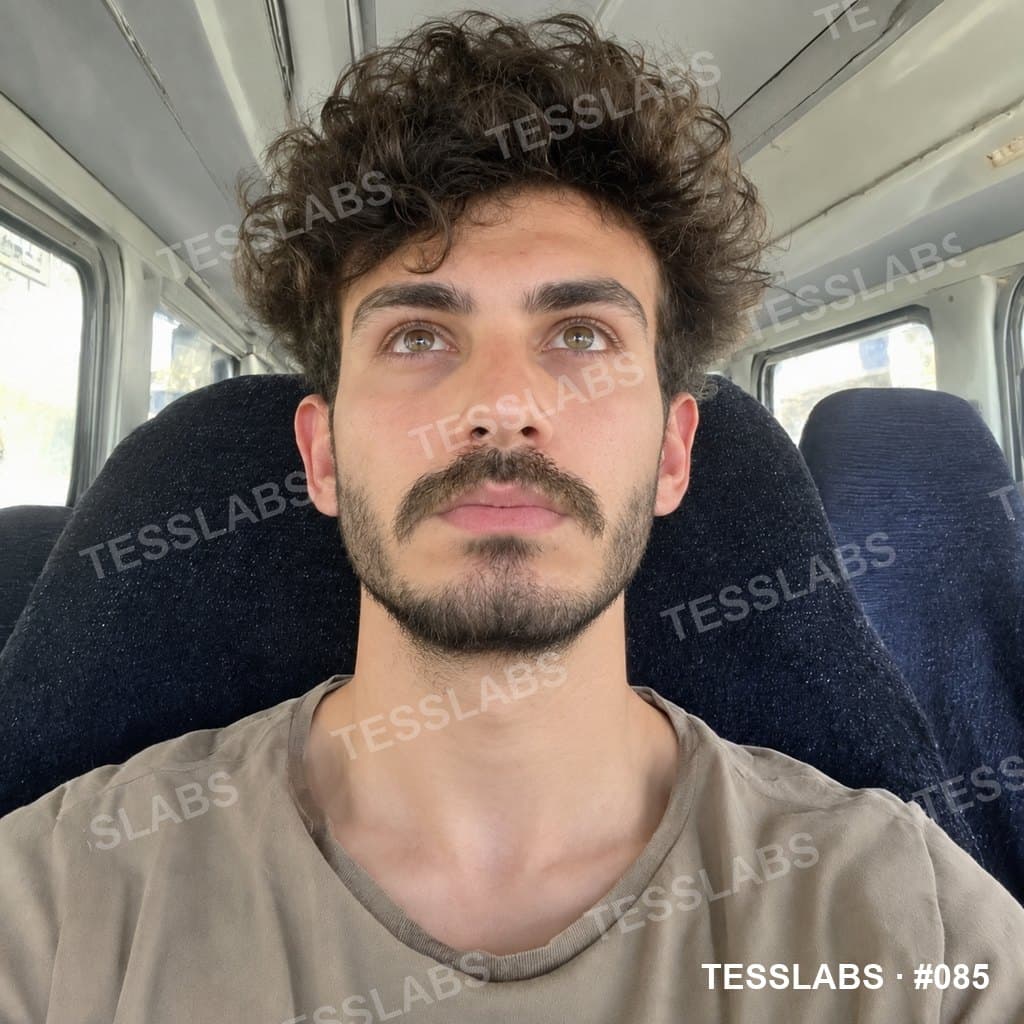
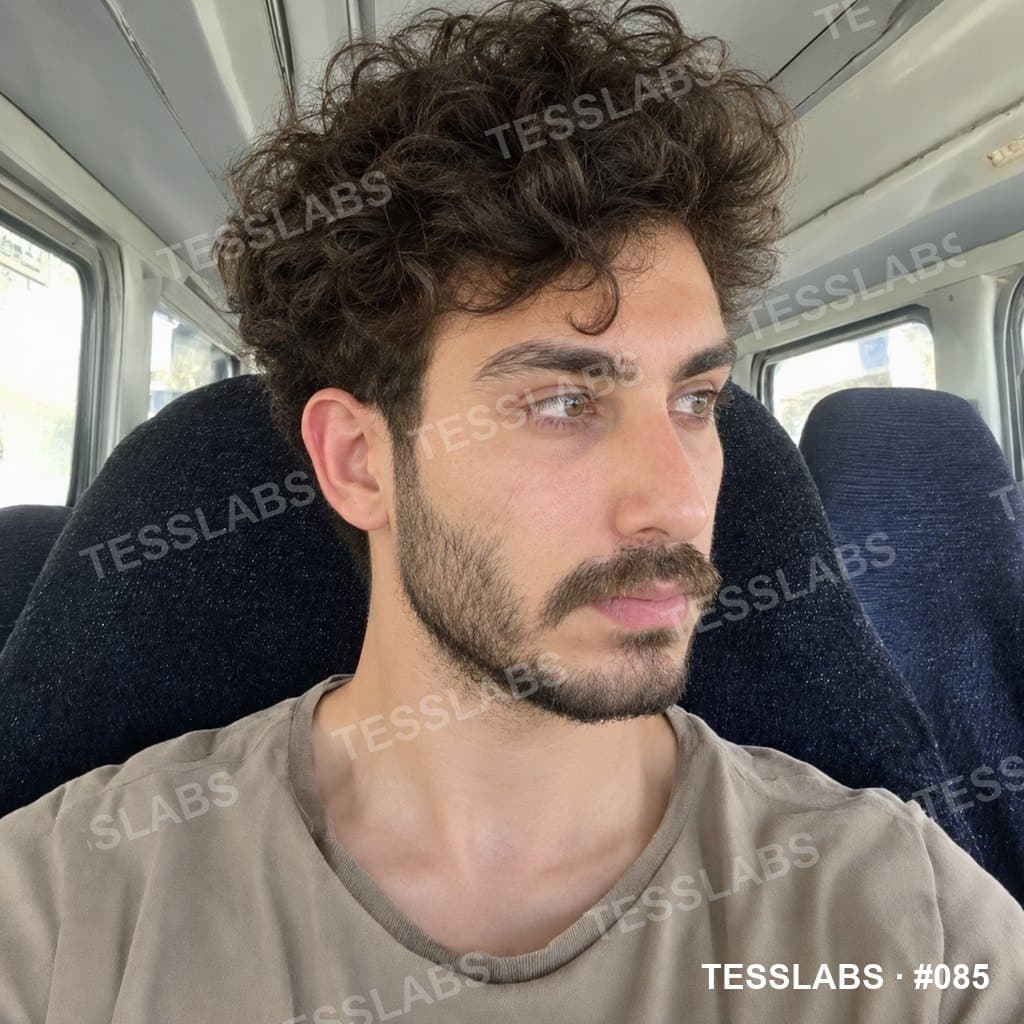
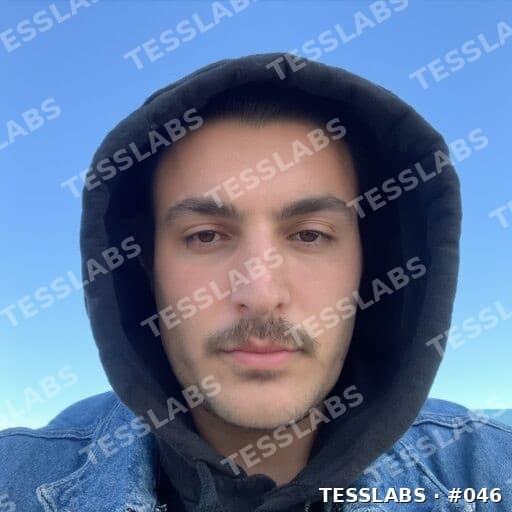
Most synthetic-face generators create a new, unrepeatable image each time. TessLabs is different: 1.1 million unique, mathematically locked seed identities that generate near-infinite edge-case variations. Same maths, same face, down to the pixel, every time.

That's why we generate the precise edge-case data to train your models. Each seed carries 23 independent attribute dials — age, expression, headwear, skin tone, lighting etc— each one independently adjustable, and every output hashed to its original seed.

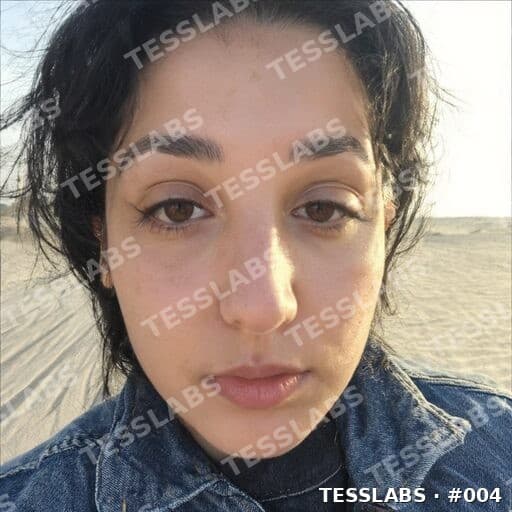
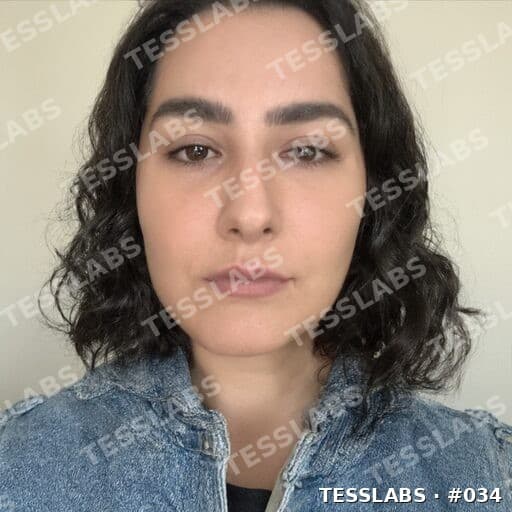
Our synthetics pass 12 core quality benchmarks covering realism, diversity, and structural correctness. The headline number: a clean-FID realism score of 3.74, and the acid test: Multiple tier 1 vision-language models classified our synthetic identities as real 94% - 100% of the time.

01 INGESTraw

yaw −31° · pitch 0°
render only

02 DETECT5 pt

yaw 0° · pitch −22°
box + 5 landmarks

03 LANDMARK68 pt

yaw 0° · pitch 0°
mesh solving

04 MESH468 pt

yaw 0° · pitch +18°
mesh complete

05 LABEL23 dials

face_085· synthetic: true
seed_locked · region: menat
Full KPI table on Synthetics

How it works

A training run scoped to your model.

01

PoC

No cost, no commitment. A small batch, scored against your own detectors.

02

Baseline

The first production-shaped run, against thresholds you agree before generation starts.

03

Remediation

Reweighted to exactly what the baseline exposed.
04

Continuous

New identities every quarter, aimed at whatever moved.
See training packs

Biometric models

Production grade ready to deploy biometric models.

1:1 face verification

TessLabs Verify

Confirms that two faces belong to the same person — a selfie against a document photo at onboarding, a login against an enrolment. Calibrated on MENAT-heavy evaluation sets, so thresholds hold on the populations most vendors underserve.

1:N face identification

TessLabs Identify

Searches one face against an enrolled gallery and returns ranked candidates — watchlist screening, duplicate-account detection, access control. Galleries to 10M identities; larger deployments scoped individually.

Passive presentation-attack detection

TessLabs Liveness

Scores whether the face in front of the camera is a live person or a presentation attack — print, screen replay, mask — from the capture itself, with no challenge gestures.

Deepfake & synthetic-face detection

TessLabs Detect

Separates generated faces from camera-captured ones — deepfakes, face swaps and fully synthetic images. This is the discriminator side of the foundry, and the reason we can state that our own synthetics defeat frontier models while this engine still separates them.

Age estimation

TessLabs Age

Estimates age from a single capture, reported against the product's own bins — 18–24, 25–34, 35–44, 45–59, 60+ — so a result maps onto the same bands the training data is built in.

Gender classification

TessLabs Gender

Classifies apparent gender from a single capture, evaluated per demographic group rather than on a pooled average, because a pooled number hides exactly the failures that matter.

See the full model spec sheet

Questions

Frequently asked questions.

See where your model fails first.

Start with a sample you score yourself. Nothing's charged and nothing's reserved by asking.

Book a call